Preparing your sale
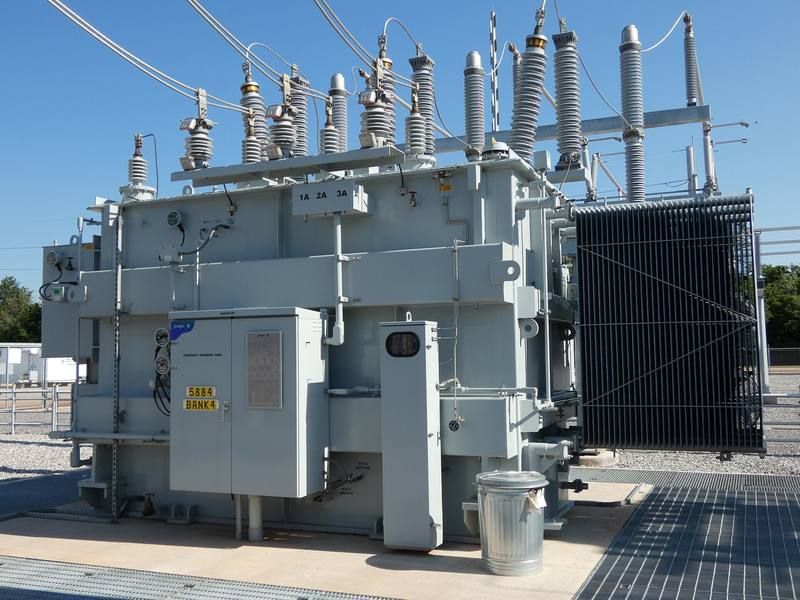
A power plant teardown may include transformers associated with generation, auxiliary power, or site distribution, along with switchgear and other equipment that may be sold separately. Start with an asset register that identifies each transformer by nameplate, serial number, location, ownership, and proposed sale status. Identify included accessories and exclusions instead of treating the entire plant as a single interchangeable lot.
What buyers need to know
Collect available drawings, service histories, test reports, fluid identification, and PCB documentation for each unit, and disclose known faults, leaks, damage, or missing parts. The site owner and qualified project personnel should define decommissioning boundaries, interfaces with any utility or third-party equipment, and the sequence for electrical isolation and verified release. Plant demolition, retained infrastructure, and remaining electrical sources can affect access, so a sale agreement should identify the responsible contractor and release authority rather than assuming the demolition team provides every service. Provide a realistic availability window and specify who owns the transformer if titles or contracts differ across the site. A buyer can assess reuse or other disposition based on documented facts, but the sale does not replace engineering, compliance, or site safety planning.
Coordinate the handoff
Qualified riggers and the approved freight provider should assess the actual load, access route, ground conditions, and any transport approvals needed. Agree on crane or other equipment, loading, carrier acceptance, timing, documentation, and the costs assigned to each party.
Seller checklist
- Match every offered transformer and accessory to its owner, nameplate, condition, and project scope.
- Provide available drawings, maintenance records, and fluid and PCB information before pickup planning.
- Coordinate qualified release, demolition interfaces, rigging, approved freight, and handoff records.
Local project resources
Select a city for project-specific planning and local access considerations.