Preparing your sale
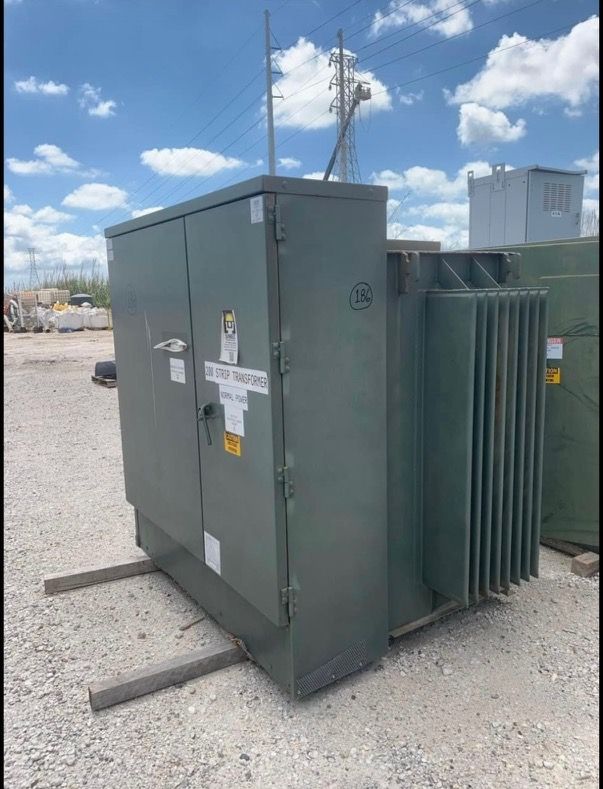
A bitcoin mining site may have surplus transformers when computing capacity is relocated, the power arrangement changes, or operations close. Map each transformer to a nameplate, serial number, owner, and location, and distinguish it from mining machines, containers, switchgear, cables, and cooling equipment. A unit may be owned by the site operator, a landlord, a utility, or another party, so confirm title and authority to sell before seeking offers.
What buyers need to know
Provide the buyer with the equipment's ratings, operating history, known faults, available maintenance and test records, and present physical condition. If a unit is liquid-filled, include available fluid identification and PCB documentation; do not claim a status that has not been established. Explain whether the site is fully shut down or whether other loads and adjacent equipment remain active. Qualified electrical personnel and the site operator should coordinate isolation, verification, and release under the applicable procedures, including any interfaces with the utility or other asset owners. An existing outage or an idle mining container does not by itself confirm that a transformer is safe to approach or move. Agree on the included equipment, the timing of removal, and how the parties will handle any change in condition.
Coordinate the handoff
Share road access, ground conditions, gate restrictions, equipment weight and dimensions, and the available loading area. Qualified riggers and an approved carrier should agree on the handling plan, documentation, and pickup responsibilities with the seller and buyer.
Seller checklist
- Verify title and compile a serial-number inventory with nameplates and maintenance history.
- Disclose failures, fluid and PCB records, active-site dependencies, and missing information.
- Document qualified release, site access, lifting, receiving acceptance, and approved freight.
Local project resources
Select a city for project-specific planning and local access considerations.