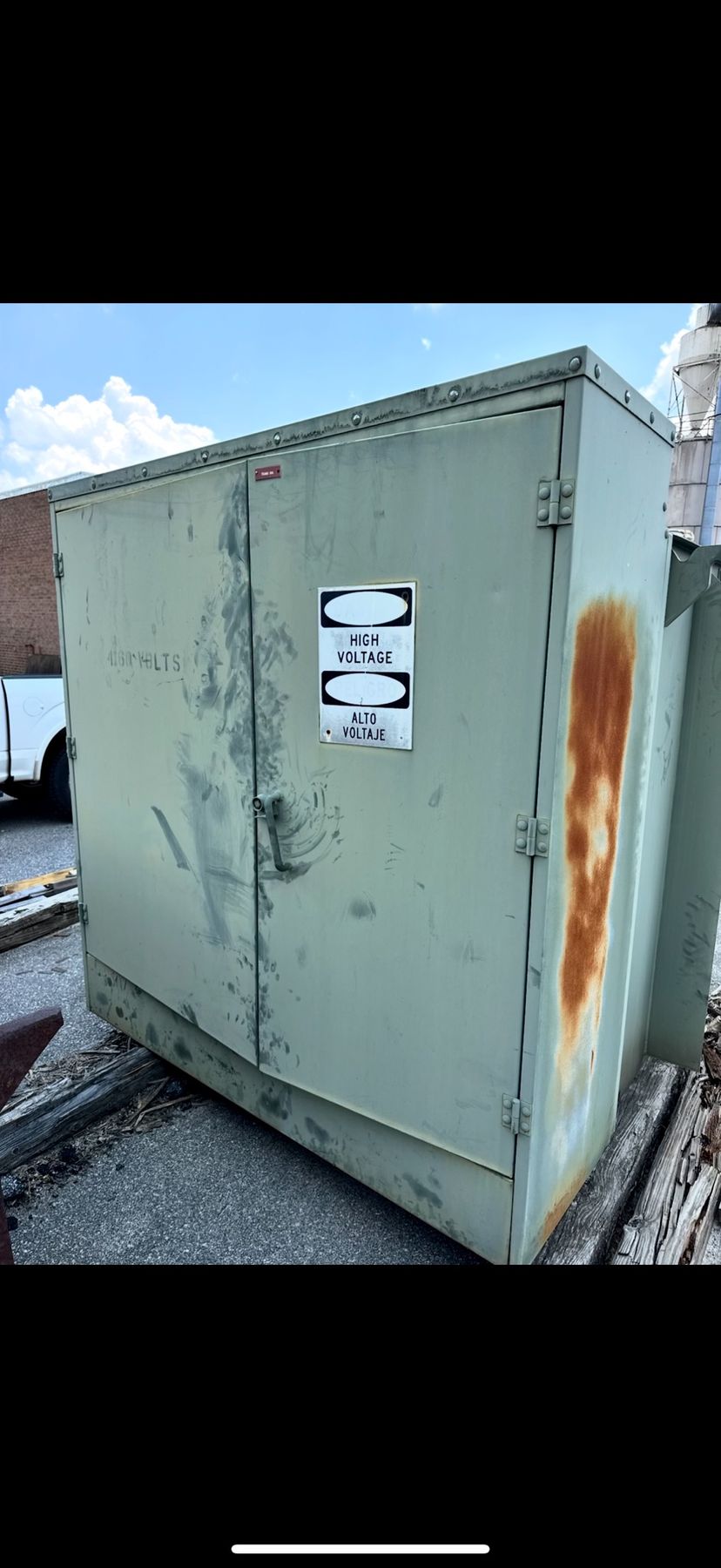
Project inventory in Rochester
For a Rochester-area power plant teardown, identify transformers serving generation, auxiliary loads, or site distribution as distinct assets. Include nameplate data, serial numbers, ownership, location, included accessories, and sale status in the inventory. Available drawings, maintenance and test records, fluid identification, and PCB documentation help distinguish units for evaluation; disclose operating history, damage, leaks, and missing parts.
Project-specific sale planning
If teardown work is near active clinical, laboratory, or other restricted operations, coordinate the proposed pickup window and loading route with the site’s operations team. Do not treat demolition access as electrical release: qualified personnel must isolate and verify the equipment safe for handoff. Confirm the release authority, rigging plan, freight arrangements, and responsibility for loading in advance.
Rochester access and coordination
Medical, research, and commercial buildings in Rochester may use transformers for different building loads. Equipment can become surplus when a property updates its electrical distribution.
Coordinate a pickup window around any active clinical or laboratory operations and their restricted loading areas.
Handling and pickup
Qualified riggers and the approved freight provider should assess the actual load, access route, ground conditions, and any transport approvals needed. Agree on crane or other equipment, loading, carrier acceptance, timing, documentation, and the costs assigned to each party.
Checklist before a handoff
- Match every offered transformer and accessory to its owner, nameplate, condition, and project scope.
- Provide available drawings, maintenance records, and fluid and PCB information before pickup planning.
- Coordinate qualified release, demolition interfaces, rigging, approved freight, and handoff records.