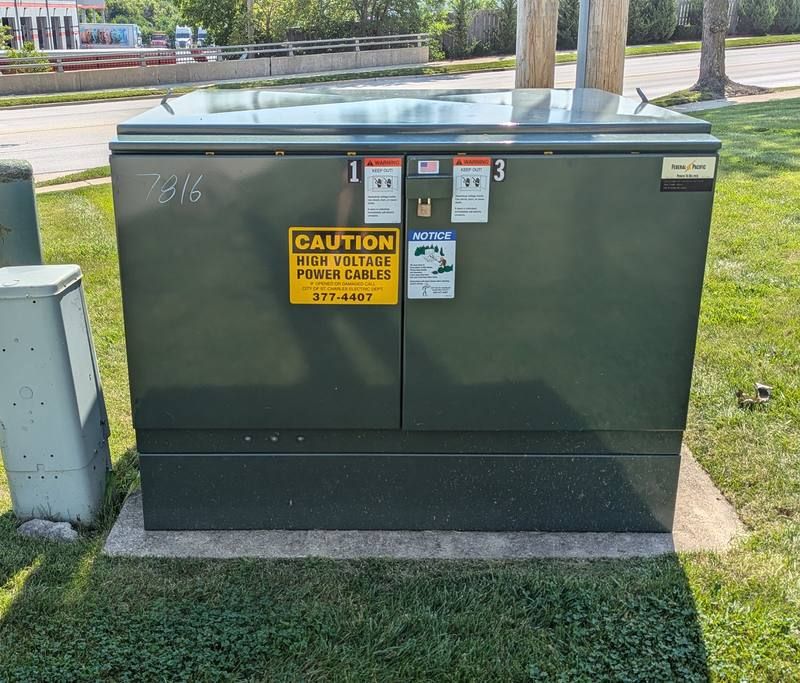
Project inventory in St. Paul
When a St. Paul teardown includes older plant or institutional equipment, separate transformers from switchgear and other assets rather than presenting them as one lot. Match every unit to its owner and project scope, and share available service records, tests, fluid and PCB information, and known defects. These details support a more informed resale assessment without implying a particular value.
Project-specific sale planning
Map the removal route through established buildings before selecting handling equipment: note stairs, floor transitions, narrow doors, and alley access. The owner and qualified project personnel should define isolation boundaries and the authority for verified electrical release, especially where retained infrastructure or third-party equipment remains. Set out who arranges rigging, freight, loading, and the documented transfer.
St. Paul access and coordination
St. Paul properties range from established industrial buildings to institutions with central electrical rooms. A renovation or service change can leave equipment that an owner no longer needs.
For an older building, map any stairs, floor transitions, and alley access before selecting handling equipment.
Handling and pickup
Qualified riggers and the approved freight provider should assess the actual load, access route, ground conditions, and any transport approvals needed. Agree on crane or other equipment, loading, carrier acceptance, timing, documentation, and the costs assigned to each party.
Checklist before a handoff
- Match every offered transformer and accessory to its owner, nameplate, condition, and project scope.
- Provide available drawings, maintenance records, and fluid and PCB information before pickup planning.
- Coordinate qualified release, demolition interfaces, rigging, approved freight, and handoff records.