Preparing your sale
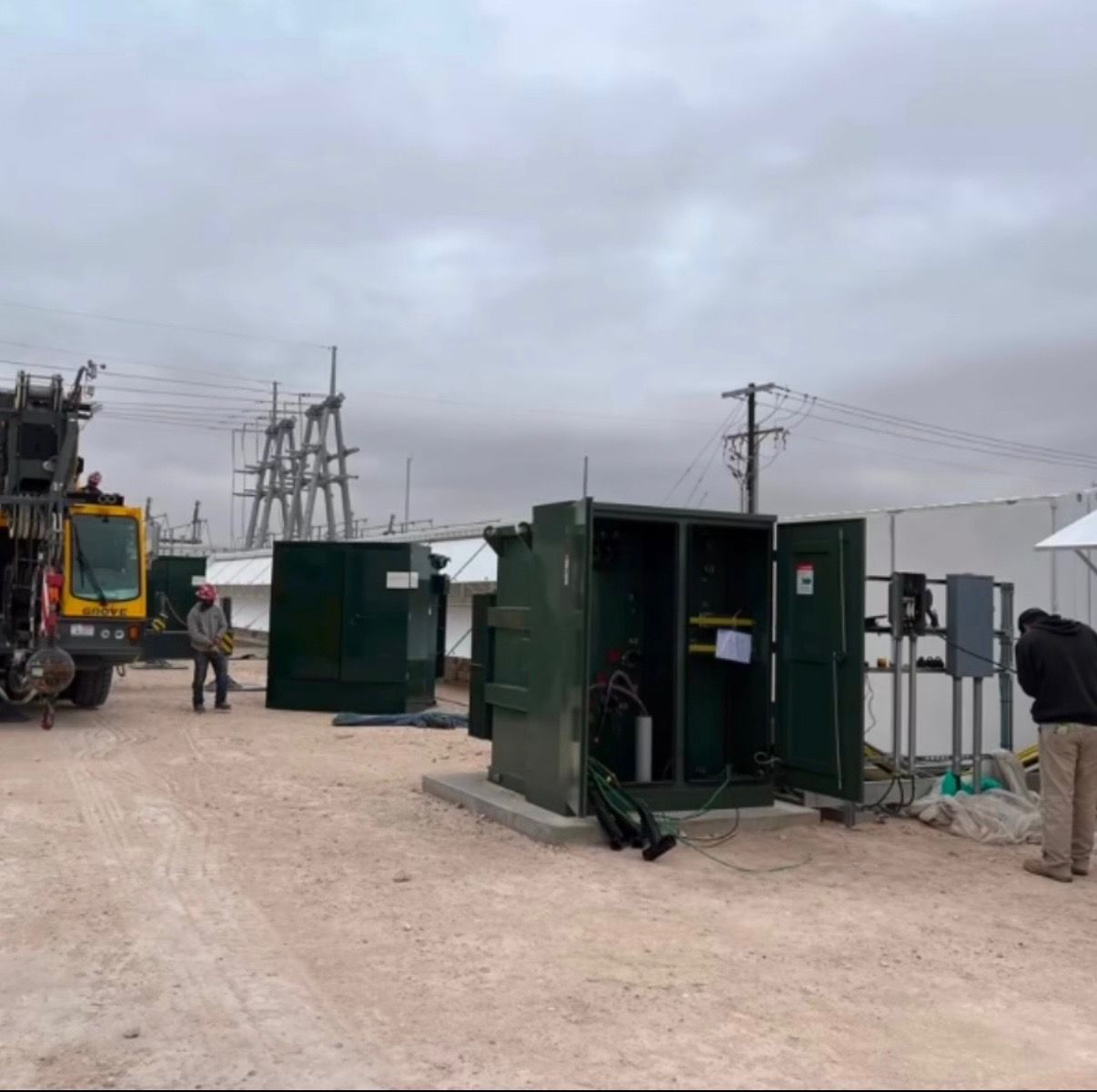
Data-center decommissioning can produce surplus substation and distribution transformers, but the sale should be scoped unit by unit. Inventory each transformer's nameplate, serial number, location, known operating condition, ownership, and expected availability. Identify whether related switchgear, generators, UPS equipment, racks, cables, or other assets are included or remain outside the buyer's scope. A facility may be partly active while another hall or power train is retired, so the asset list must reflect the actual project boundaries.
What buyers need to know
Provide available electrical drawings, maintenance history, test reports, known defects, and fluid and PCB documentation where applicable. Identify the last operating date and distinguish a working removal from an untested spare or failed unit. The facility owner, operations team, and qualified electrical personnel should approve the change window, isolation, and verified release; a buyer must not assume that adjacent equipment is deenergized. Discuss power redundancy and critical load dependencies internally before making a removal commitment. Protect site security by sharing sensitive drawings and access information only with authorized parties. Define who owns the equipment and who can approve its sale, along with any phased schedule or changes that could affect the handoff.
Coordinate the handoff
Coordinate security clearance, site escorts, access routes, lifting limits, and loading with the facility and qualified riggers. Agree on approved freight, applicable transport documentation, pickup dates, cost allocation, and individual equipment handoff records.
Seller checklist
- Reconcile transformer serial numbers, sale scope, ownership, and documentation with the facility asset register.
- Obtain authorized, qualified electrical release for each phase while protecting remaining live operations.
- Set the access, rigging, carrier, fluid-documentation, and equipment-transfer responsibilities in writing.
Local project resources
Select a city for project-specific planning and local access considerations.