Project inventory in Minneapolis
For a Minneapolis-area plant teardown, list each transformer separately, including generator step-up, auxiliary, and site-distribution units. Record nameplate and serial number, ownership, location, accessories, and whether the unit is included in the sale. Drawings, test history, fluid identification, and PCB documentation help a buyer assess condition and potential value; disclose leaks, damage, faults, or missing components.
Project-specific sale planning
If equipment is in a basement or enclosed electrical room, verify the route to the loading area before discussing removal: measure doors and turns, confirm freight-elevator capacity, and identify a suitable legal staging point. Qualified site personnel must isolate and verify release; agree on demolition interfaces, rigging responsibility, carrier acceptance, and handoff records before pickup.
Minneapolis access and coordination
Office towers and older commercial buildings in Minneapolis may have transformers in basement electrical rooms. Industrial properties can also have larger distribution equipment left from power-system upgrades.
For a basement unit, check freight-elevator capacity, doorway dimensions, and the path to a legal loading area before arranging removal.
Handling and pickup
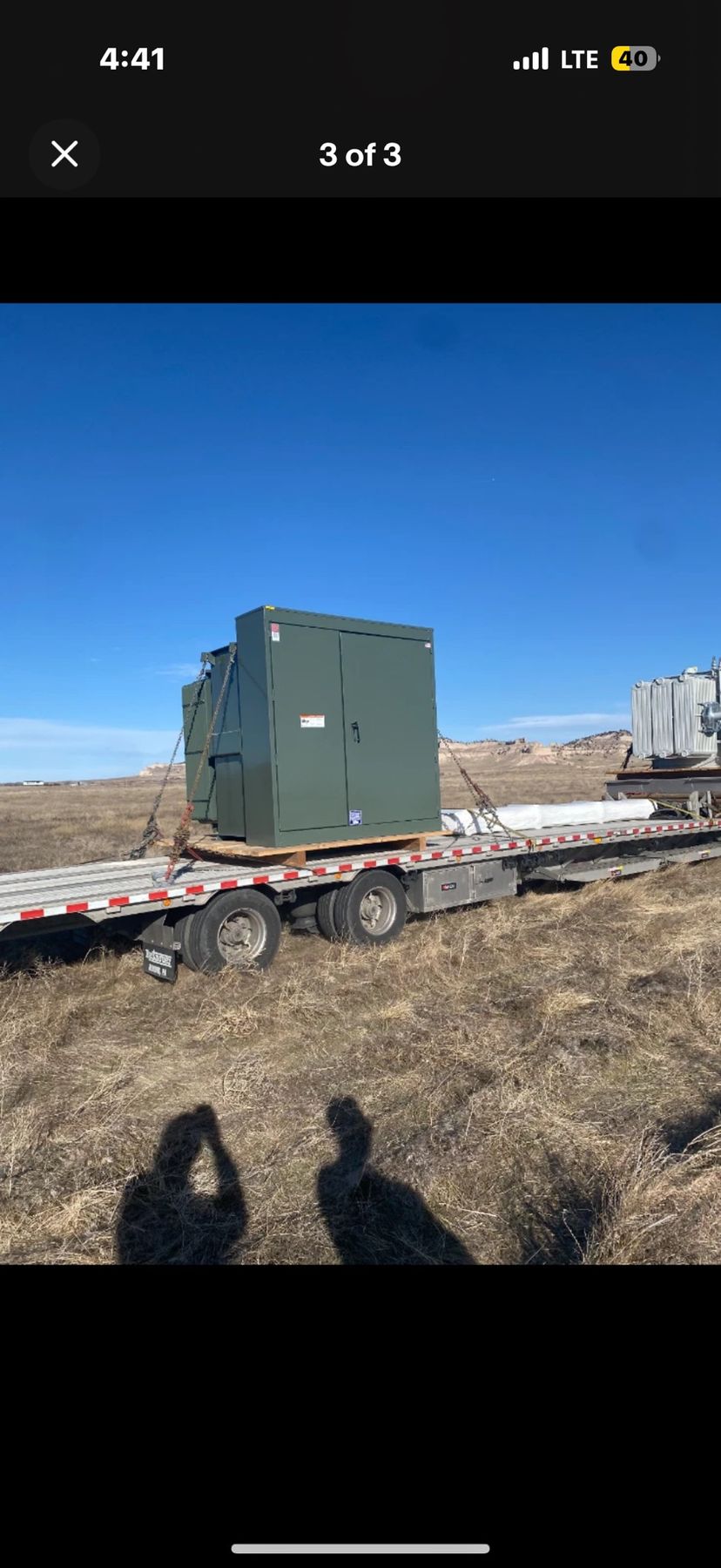
Qualified riggers and the approved freight provider should assess the actual load, access route, ground conditions, and any transport approvals needed. Agree on crane or other equipment, loading, carrier acceptance, timing, documentation, and the costs assigned to each party.
Checklist before a handoff
- Match every offered transformer and accessory to its owner, nameplate, condition, and project scope.
- Provide available drawings, maintenance records, and fluid and PCB information before pickup planning.
- Coordinate qualified release, demolition interfaces, rigging, approved freight, and handoff records.