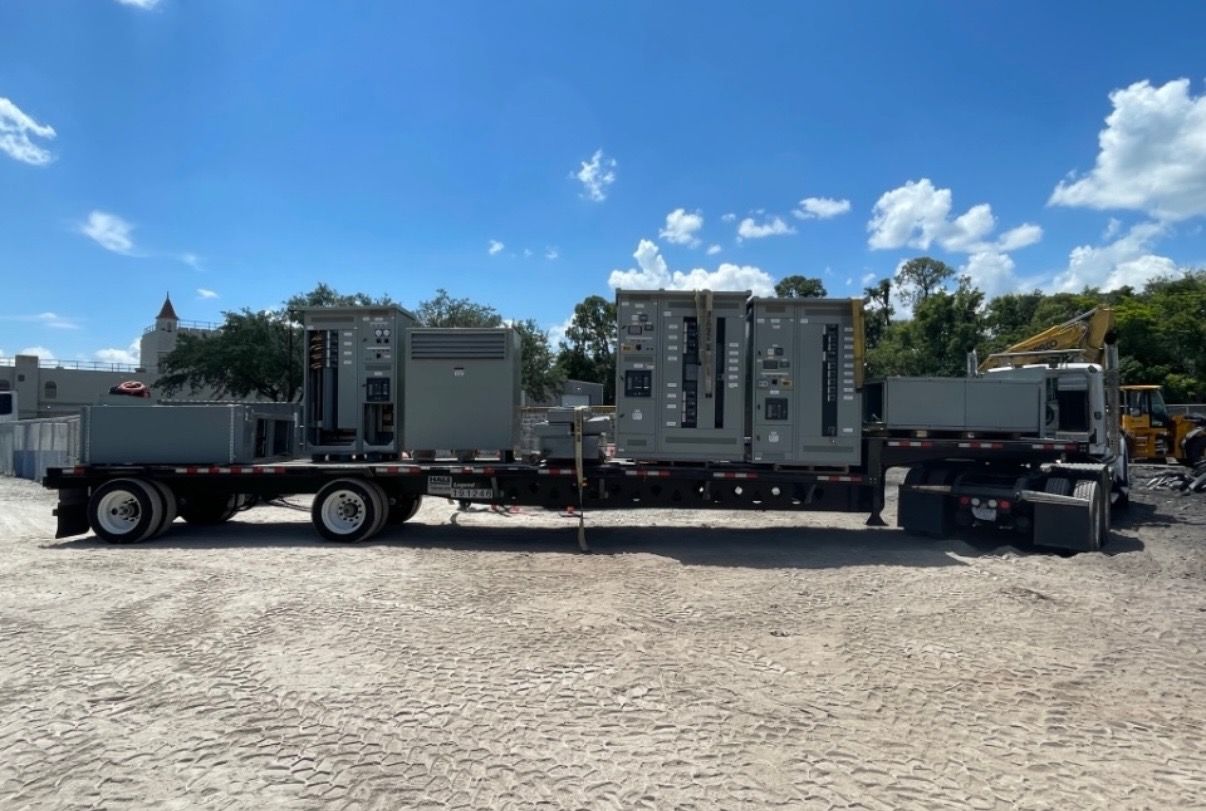
Project inventory in St. Cloud
A St. Cloud plant teardown may leave a varied inventory of indoor and outdoor transformers. Identify each by nameplate, serial number, ownership, location, condition, and included accessories, then separate owner-held assets from utility or other third-party equipment. Provide available drawings, service and test records, fluid identification, PCB information, and known defects so each unit can be considered on its documented merits.
Project-specific sale planning
Before scheduling a pickup, confirm that the offered transformer is within the owner’s sale scope and that qualified personnel have defined electrical isolation and verified release. Outdoor pads and indoor rooms may require different access and rigging plans, so assess the load, route, and ground conditions with qualified handlers. Assign responsibility for loading, approved freight, timing, and transfer documentation.
St. Cloud access and coordination
Manufacturing buildings and institutional properties in St. Cloud may have both indoor and outdoor distribution equipment. A plant or campus upgrade can leave a mix of transformer sizes to evaluate.
Identify which equipment belongs to the property owner and which remains utility-owned before planning a pickup.
Handling and pickup
Qualified riggers and the approved freight provider should assess the actual load, access route, ground conditions, and any transport approvals needed. Agree on crane or other equipment, loading, carrier acceptance, timing, documentation, and the costs assigned to each party.
Checklist before a handoff
- Match every offered transformer and accessory to its owner, nameplate, condition, and project scope.
- Provide available drawings, maintenance records, and fluid and PCB information before pickup planning.
- Coordinate qualified release, demolition interfaces, rigging, approved freight, and handoff records.