Preparing your sale
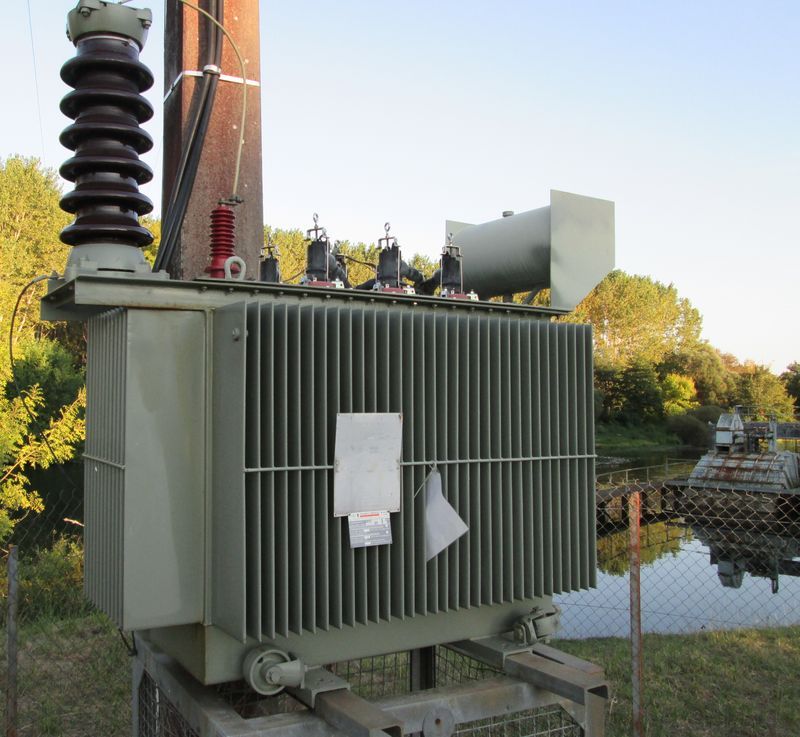
A useful transformer sale starts with an honest, unit-specific description. Provide a readable nameplate, clear exterior photographs, the physical location, and whether the equipment was operating at its last use, stored as a spare, failed, or has an unknown history. A brand name or an old asset-list entry alone does not establish condition or suitability for reuse.
What buyers need to know
Buyers commonly consider kVA, primary and secondary voltages, phase, frequency, configuration, physical condition, and documentation together. Prior maintenance reports and qualified test results can reduce uncertainty, but a report must be matched to the correct serial number and its date understood. Disclose repairs, leaks, missing accessories, and any incident rather than describing an untested unit as operational. Ownership, removal costs, available handling equipment, and fluid or PCB records can also affect a proposal. Ask whether an offer assumes the unit is reusable, sold as-is, or valued for its recoverable material; none of these outcomes is guaranteed.
Coordinate the handoff
Confirm who will pay for electrical release, rigging, loading, freight, and any required documentation before comparing offers. A qualified crew should handle the release and an approved carrier should accept the actual shipment condition.
Seller checklist
- Send the nameplate, overall photos, last known status, and all material defects for each unit.
- Attach available service and test records and identify any unknown fluid or PCB status.
- Compare written offers using the same included equipment, pickup scope, and cost responsibilities.