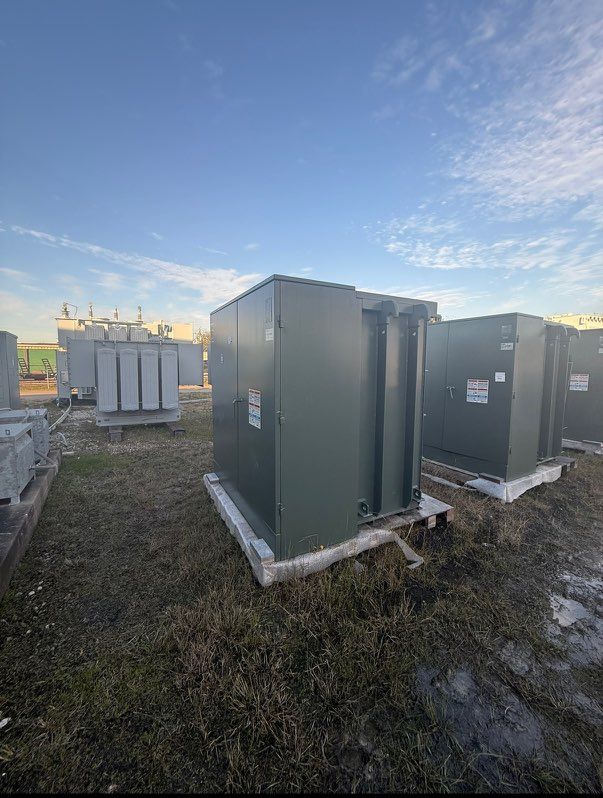
Preparing your sale
Selling a substation transformer is one part of a broader decommissioning project. Create an asset list that distinguishes transformers from breakers, switchgear, protection equipment, cables, foundations, and items that are not for sale. For each transformer, record the nameplate, ownership, present condition, available drawings, service history, and planned availability.
What buyers need to know
An operating or recently retired substation can have multiple sources, stored energy, and nearby equipment that remains in service. The site owner and qualified electrical personnel must establish the work boundaries, energy-control plan, and verified release; a buyer's interest is not authorization to enter or disconnect anything. Coordinate with the utility or other owner where interfaces or ownership are shared. Collect fluid identification, PCB documentation, and available test results, and disclose leaks or prior incidents. Ask potential buyers whether their offer includes only the transformer or also selected accessories, and document who is responsible for removing excluded materials. A sale cannot substitute for the project's applicable engineering, safety, or compliance reviews.
Coordinate the handoff
Use a qualified rigging provider and an approved carrier to plan access, lifting, transport, and any necessary approvals for the actual load. Align pickup with the release schedule and document site access, costs, receiving acceptance, and handoff responsibilities.
Seller checklist
- Reconcile the equipment inventory with ownership, nameplates, drawings, and sale boundaries.
- Obtain qualified electrical release and share known condition, fluid, and PCB records.
- Agree on the rigging plan, approved freight, timing, and excluded work in writing.