Preparing your sale
A transformer that is unsuitable for reuse may still be considered for material recovery, but the material content and net proceeds should not be assumed. Windings may be copper or aluminum, and the core and enclosure are separate materials; the actual construction and condition matter. The manufacturer name, kVA rating, or outside appearance alone is not a reliable material inventory.
What buyers need to know
Ask a potential buyer to explain whether its proposal is for reuse, as-is recovery, or another agreed disposition. The comparison should include collection, specialized handling, fluid management, and any documentation or receiving charges, not just a quoted amount for metal. Existing manufacturing records or qualified inspection may help identify winding material, but the owner should not open, cut, or dismantle a transformer to confirm it. Liquid and PCB records remain important even when the unit is failed or destined for recovery. Any disassembly and disposition should be performed by appropriately qualified parties and facilities under applicable requirements; an offer does not guarantee acceptance or a particular outcome.
Coordinate the handoff
Confirm the receiving party accepts the equipment in its actual condition and agree who arranges approved loading and freight. Document ownership, transfer, and the handling of excluded components or fluids before the unit leaves.
Seller checklist
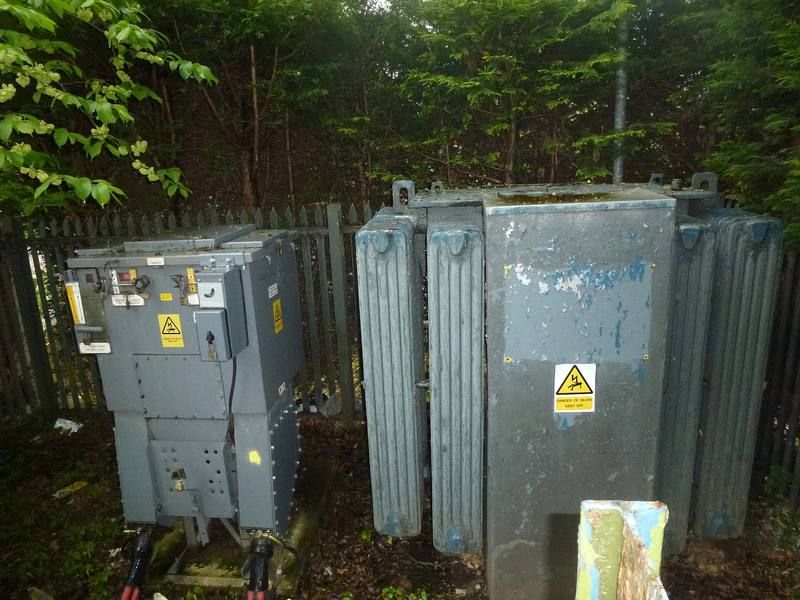
- Provide nameplate and condition photos, including known faults and available fluid records.
- Ask for an itemized proposal that identifies transport and handling responsibilities.
- Confirm the intended receiving route and keep the agreed transfer documentation.