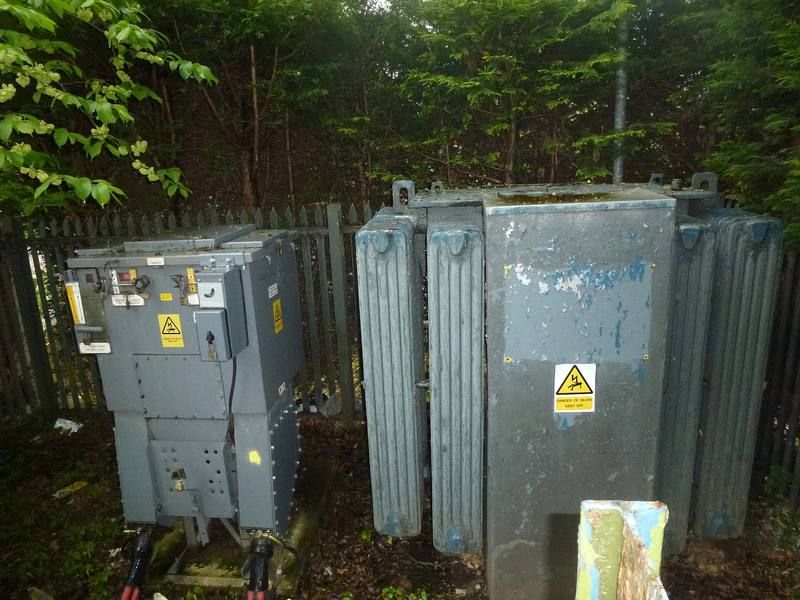
Your St. Louis Park equipment
A retired dry-type transformer from a St. Louis Park commercial or multifamily building may have useful nameplate fields such as manufacturer, serial number, kVA, primary and secondary voltages, phase, and temperature rise. Send an external nameplate photo from a safely accessible position, plus an overall exterior view; do not open an enclosure to obtain details.
Condition and documentation
Report visible discoloration, dust or moisture exposure, damaged ventilation openings, missing covers, or other mechanical changes, while separating observations from known operating history. If the unit’s condition or modifications are undocumented, say so. Photos should not require approaching exposed live parts, and any isolation, verification, inspection, or testing must be handled by qualified electrical personnel.
Prepare for a safe transfer
Interior access can shape removal planning in St. Louis Park buildings. If known, provide the unit’s room location, approximate weight and dimensions, hallway and elevator clearances, floor-protection considerations, and loading access. These details help identify constraints without assuming a removal route is feasible. Qualified personnel must isolate and verify de-energization before equipment is disconnected or moved.
Local access in St. Louis Park
St. Louis Park has commercial and multifamily properties where electrical rooms may contain older dry-type equipment. A major building renovation can leave a retired unit in a constrained interior space.
Measure hallways, elevator doors, and floor protection needs before scheduling an interior removal.
About dry-type transformers
Dry-type transformers use air or solid insulation rather than a liquid-filled tank and are often installed in electrical rooms. Buyers review kVA, voltage, phase, temperature rise, enclosure configuration, ventilation, and signs of overheating or moisture exposure. Missing covers and modifications can also change the assessment.
Photograph the nameplate, ventilation openings, enclosure, and any visible discoloration or mechanical damage without opening energized equipment.
After qualified personnel isolate and verify de-energization, move the unit with rated equipment using suitable lift points and protect exposed coils and ventilation panels.