Your Rochester equipment
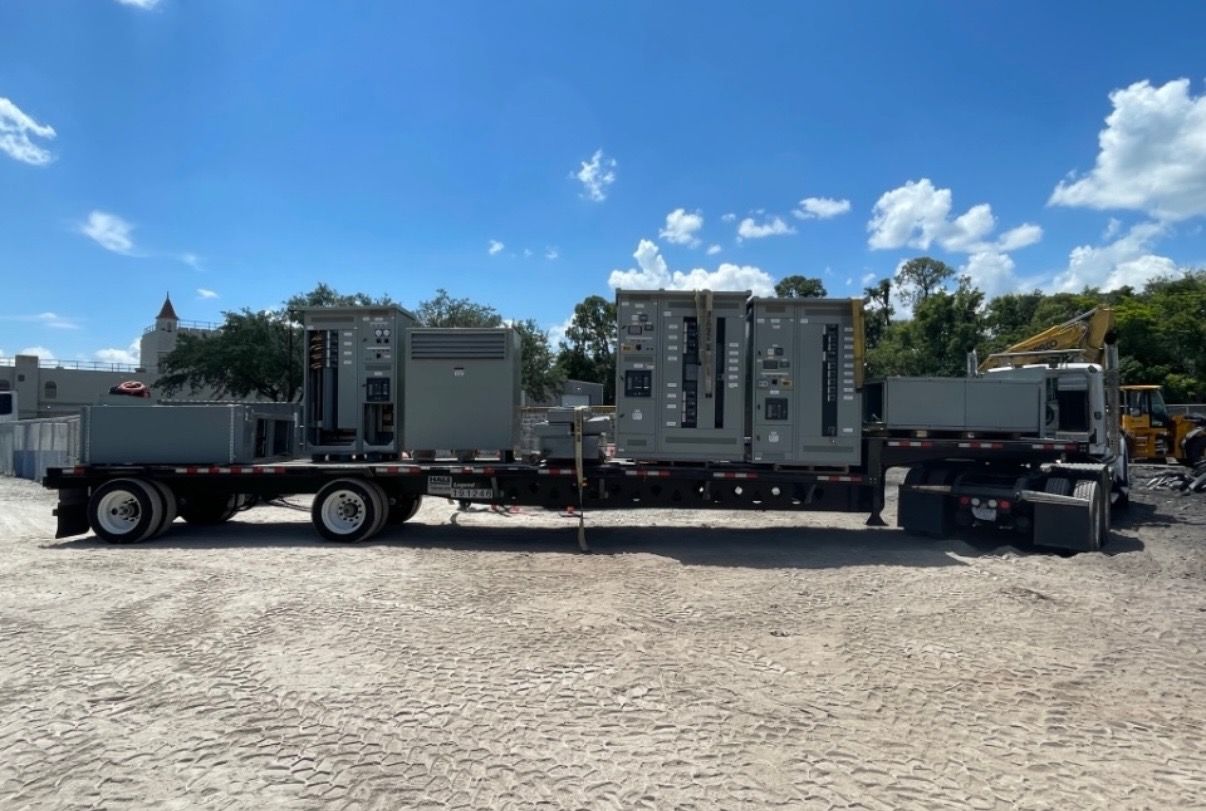
For a pole-mounted distribution transformer offered from Rochester, first note the visible nameplate information: manufacturer, serial number, kVA, primary and secondary voltages, and whether the unit is single-phase or three-phase, if stated. External photos of the tank, bushings, and mounting hardware can clarify what is included, provided they are taken from a safely accessible position.
Condition and documentation
Describe known condition in concrete terms: visible leaks, corrosion, dents, damaged bushings, or missing brackets. Mention any service or fluid records that are already available, and identify gaps as unknown rather than inferring fluid or PCB status from the transformer type. Do not climb, touch the unit, approach overhead lines, or attempt inspection or removal.
Prepare for a safe transfer
Share the Rochester location, approximate unit weight and dimensions if documented, and whether it remains pole-mounted or has already been removed by qualified personnel. Note access limitations and loading conditions that may affect coordination. Isolation, verification of de-energization, and removal require appropriately qualified electrical personnel and trained lifting support using safe procedures.
Local access in Rochester
Medical, research, and commercial buildings in Rochester may use transformers for different building loads. Equipment can become surplus when a property updates its electrical distribution.
Coordinate a pickup window around any active clinical or laboratory operations and their restricted loading areas.
About pole-mounted distribution transformers
Pole-mounted distribution transformers are typically compact units used to change distribution voltage for local loads. A buyer may distinguish single-phase from three-phase equipment and review voltage, kVA, mounting hardware, tank condition, and fluid history. Confirming ownership and whether bushings or brackets are damaged helps establish what is being offered.
Provide a readable nameplate, photographs of the tank and bushings, and any available records identifying the insulating fluid or PCB status.
Have qualified personnel isolate and verify de-energization before trained riggers lower the unit with suitable equipment while keeping clear of overhead lines.