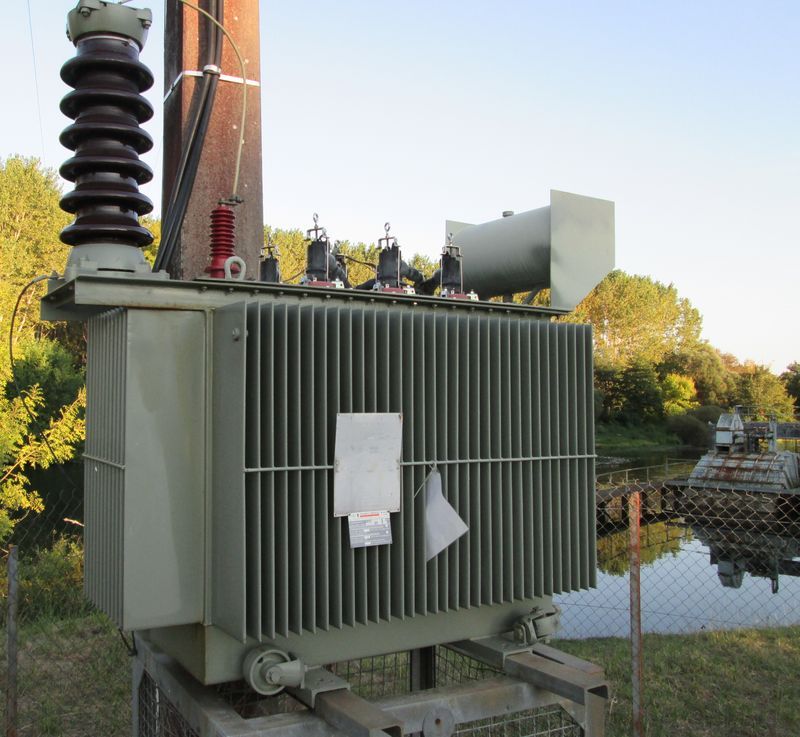
Your Rochester equipment
A surplus dry-type transformer in Rochester can be described with its external nameplate details, if readable: manufacturer, serial number, kVA, primary and secondary voltages, phase, and temperature-rise rating. Note the enclosure style and any visible ventilation panels or accessories. Photos should be limited to external surfaces visible from a safely accessible position; do not remove covers.
Condition and documentation
Tell the buyer what is visible, such as discoloration, corrosion, moisture marks, damaged panels, blocked or broken ventilation openings, or missing covers. Include service records if already available, but do not infer operating history or condition from appearance. If a detail is uncertain, label it unknown; inspection and testing should be handled only by qualified personnel after safe isolation.
Prepare for a safe transfer
To help assess movement, provide the Rochester building or site location, approximate weight and dimensions if known, and whether the unit is on a floor, platform, or other known position. Describe doorway, stair, elevator, loading, or access limits only if known. Actual access and building schedules can affect coordination, particularly where operations must continue.
Local access in Rochester
Medical, research, and commercial buildings in Rochester may use transformers for different building loads. Equipment can become surplus when a property updates its electrical distribution.
Coordinate a pickup window around any active clinical or laboratory operations and their restricted loading areas.
About dry-type transformers
Dry-type transformers use air or solid insulation rather than a liquid-filled tank and are often installed in electrical rooms. Buyers review kVA, voltage, phase, temperature rise, enclosure configuration, ventilation, and signs of overheating or moisture exposure. Missing covers and modifications can also change the assessment.
Photograph the nameplate, ventilation openings, enclosure, and any visible discoloration or mechanical damage without opening energized equipment.
After qualified personnel isolate and verify de-energization, move the unit with rated equipment using suitable lift points and protect exposed coils and ventilation panels.