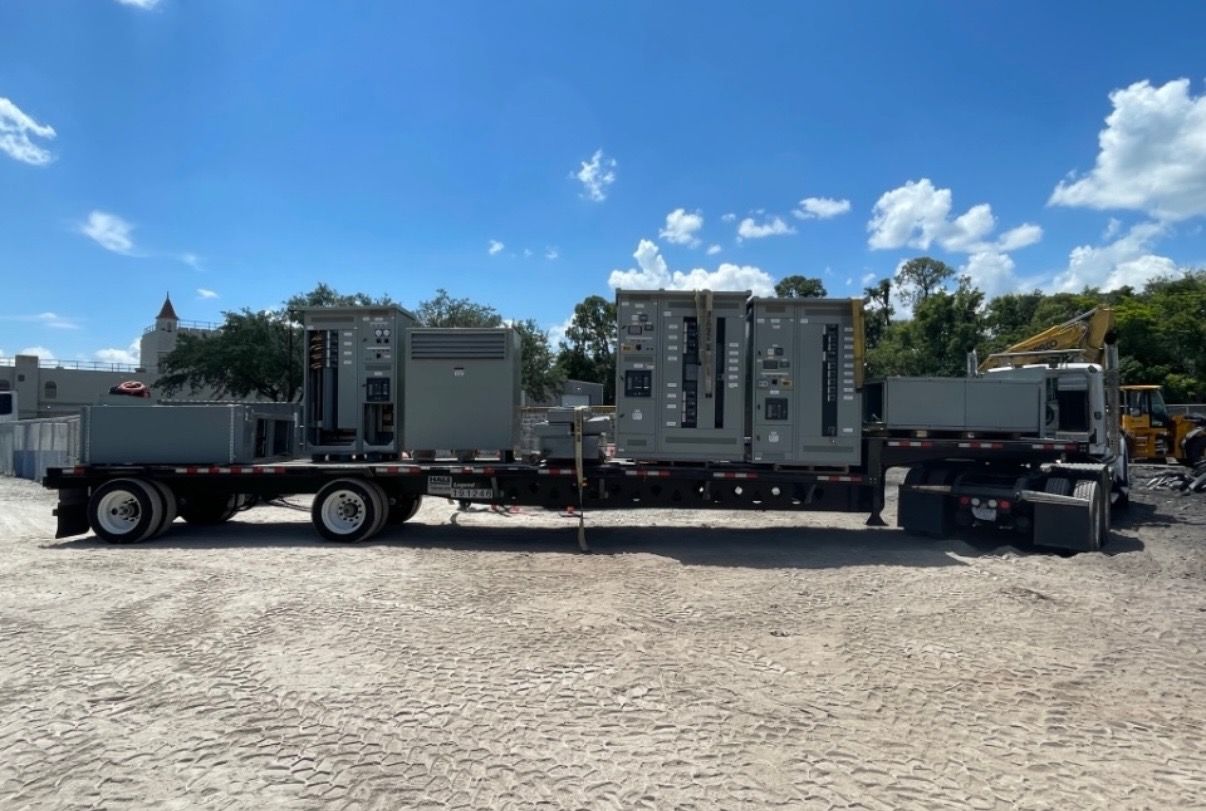
Your Burnsville equipment
For a pole-mounted distribution transformer in Burnsville, begin with the details visible on its external nameplate: manufacturer, serial number, kVA, voltage ratings, and phase, if readable. Also state whether the unit is single-phase or three-phase only when confirmed. Ownership information and available service records can help clarify what is being offered; leave uncertain fields marked unknown.
Condition and documentation
Describe the tank and visible bushings or mounting hardware, including any corrosion, dents, leaks, or damage you can see from a safe position. Mention whether brackets or other accessories appear to be present, without trying to inspect inaccessible parts. Do not climb a pole, approach overhead lines, touch equipment, or take photos from an unsafe location.
Prepare for a safe transfer
Share where the transformer is located in Burnsville, its approximate weight and dimensions if known, and any known access limits for lifting or transport. If it remains pole-mounted, say so; do not arrange or attempt removal yourself. Qualified electrical personnel must isolate and verify de-energization, and trained personnel must plan any lowering and handling.
Local access in Burnsville
Burnsville businesses may operate from multi-tenant industrial buildings or retail properties with dedicated electrical rooms. A system replacement can leave a transformer or related switchgear available for purchase evaluation.
Check the permitted path through shared tenant space and protect the floor where rigging equipment will travel.
About pole-mounted distribution transformers
Pole-mounted distribution transformers are typically compact units used to change distribution voltage for local loads. A buyer may distinguish single-phase from three-phase equipment and review voltage, kVA, mounting hardware, tank condition, and fluid history. Confirming ownership and whether bushings or brackets are damaged helps establish what is being offered.
Provide a readable nameplate, photographs of the tank and bushings, and any available records identifying the insulating fluid or PCB status.
Have qualified personnel isolate and verify de-energization before trained riggers lower the unit with suitable equipment while keeping clear of overhead lines.