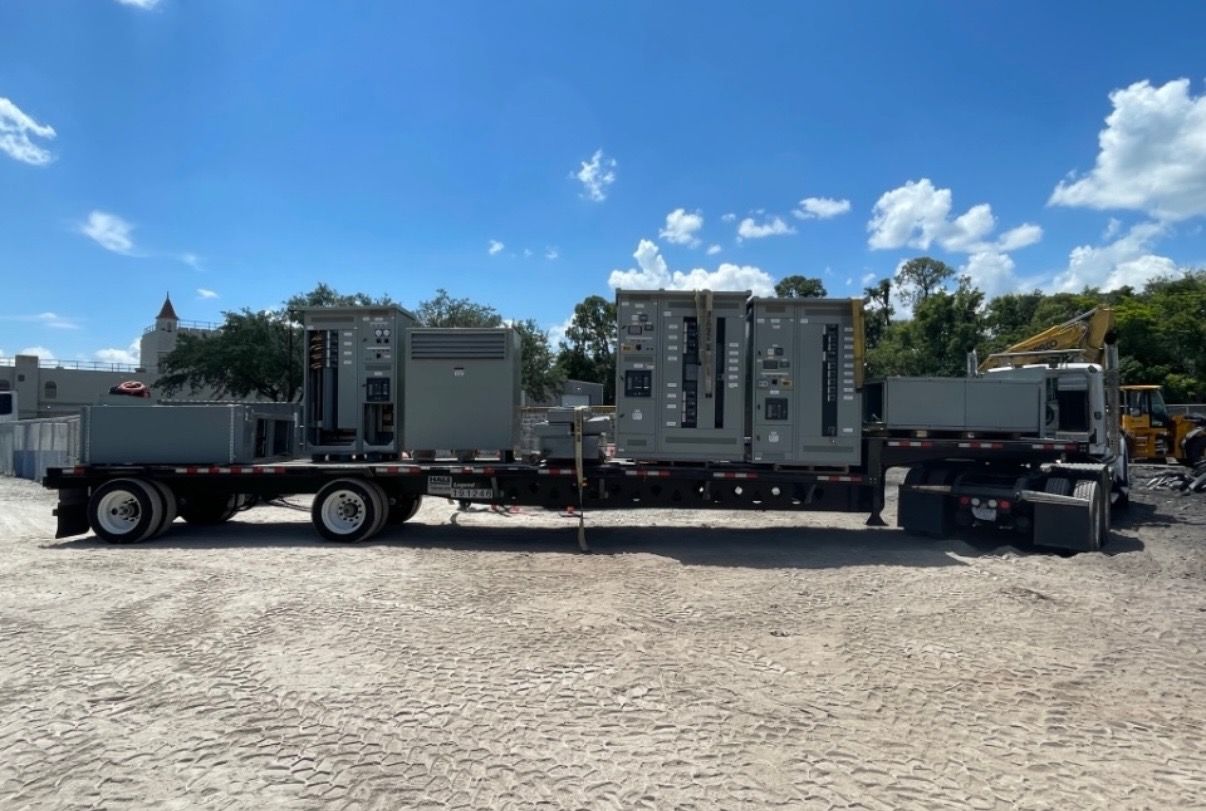
Your Stillwater equipment
For a cast-resin transformer being considered for sale in Stillwater, send available external nameplate details such as manufacturer, kVA, primary and secondary voltages, phase, serial number, cooling method, and enclosure information. A safely accessible nameplate photo can reduce uncertainty; avoid approaching exposed live parts or opening panels to obtain it.
Condition and documentation
Note visible condition of the resin windings and supports only from a safe position: report apparent cracks, impact damage, contamination, discoloration, or missing fan equipment if observable. Mention service records or known history when available, and label unknowns clearly. Appearance alone does not establish suitability or internal condition; qualified electrical personnel handle isolation, verification, inspection, and testing.
Prepare for a safe transfer
Share the Stillwater site location and any known approximate weight and dimensions, plus the route from the installed position to a loading area. Doorway widths, stairs, lifting access, and street loading restrictions may matter, especially in confined interiors, but confirm actual conditions. Handling should protect the coils; no lifting or removal plan is implied before assessment.
Local access in Stillwater
Stillwater has commercial buildings of varying ages that may contain electrical equipment in tight interior spaces. Renovation work can uncover unused transformers that require an ownership and condition review.
Check street loading restrictions and basement access before selecting a removal window.
About cast-resin transformers
Cast-resin transformers are a dry-type design with windings encapsulated in resin and are used in applications where a liquid-filled unit may not be preferred. A buyer looks at voltage, kVA, cooling provisions, enclosure or fan accessories, and the visible condition of the encapsulated windings. Cracks, impact damage, contamination, and incomplete accessories can affect further evaluation.
Supply nameplate and coil photographs, noting visible resin cracks, damaged supports, fan equipment, and available service records.
Following isolation and verification by qualified personnel, lift at designated structural points and prevent slings or forks from bearing on the resin coils.