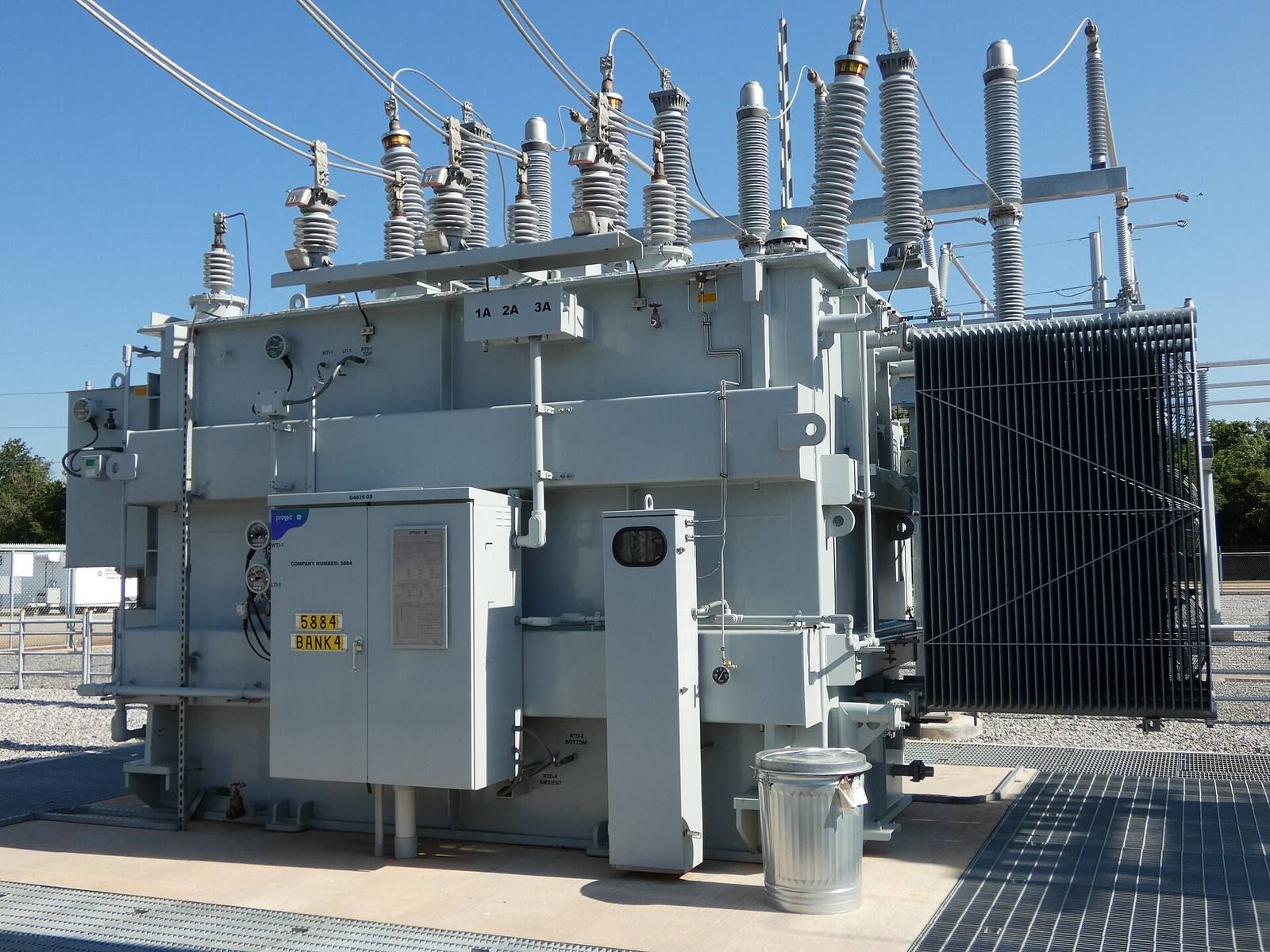
Your Mankato equipment
When offering a surplus dry-type transformer in Mankato, provide its visible nameplate details if available: manufacturer, kVA, primary and secondary voltages, phase, serial number, temperature rise, and enclosure information. A safely accessible external photo can help; do not remove a cover to find missing data. State clearly which fields are unknown or unreadable.
Condition and documentation
Report observable condition such as discoloration, dust or moisture exposure, enclosure damage, blocked ventilation openings, missing covers, or modifications, without presenting these as a diagnosis. If operating history or inspection records exist, identify them as records rather than conclusions. Do not touch or operate energized equipment; qualified personnel perform isolation, verification, disconnection, and testing.
Prepare for a safe transfer
For coordination at the Mankato site, give the unit’s exact location, approximate weight and dimensions if known, and the path, doorway, stairs, or loading limits that may matter. Note whether handling equipment can reach it only if you know. Keep the unit’s actual access situation distinct from general site assumptions, and do not presume that pickup or removal is available.
Local access in Mankato
Mankato combines commercial buildings with agricultural and industrial businesses that may use distribution equipment. A facility expansion or electrical upgrade can leave an older unit available for evaluation.
Ask whether the pickup area can accommodate a loaded truck without crossing soft ground near an outdoor pad.
About dry-type transformers
Dry-type transformers use air or solid insulation rather than a liquid-filled tank and are often installed in electrical rooms. Buyers review kVA, voltage, phase, temperature rise, enclosure configuration, ventilation, and signs of overheating or moisture exposure. Missing covers and modifications can also change the assessment.
Photograph the nameplate, ventilation openings, enclosure, and any visible discoloration or mechanical damage without opening energized equipment.
After qualified personnel isolate and verify de-energization, move the unit with rated equipment using suitable lift points and protect exposed coils and ventilation panels.