Your Brooklyn Center equipment
Cast-resin transformers are a distinct dry-type design, so for a Brooklyn Center unit provide the manufacturer, kVA, primary and secondary voltages, phase, serial number, and cooling details if visible or documented. A safely accessible external nameplate photo and coil photographs can help describe what is offered; do not open an enclosure to obtain them.
Condition and documentation
Report visible resin cracks, impact marks, contamination, damaged supports, or missing fan equipment, and distinguish observations from unknown internal condition. Include available service records, but do not infer suitability, history, or value from the transformer type or appearance. Avoid touching coils or energized equipment; qualified electrical personnel must isolate and verify de-energization before inspection or work.
Prepare for a safe transfer
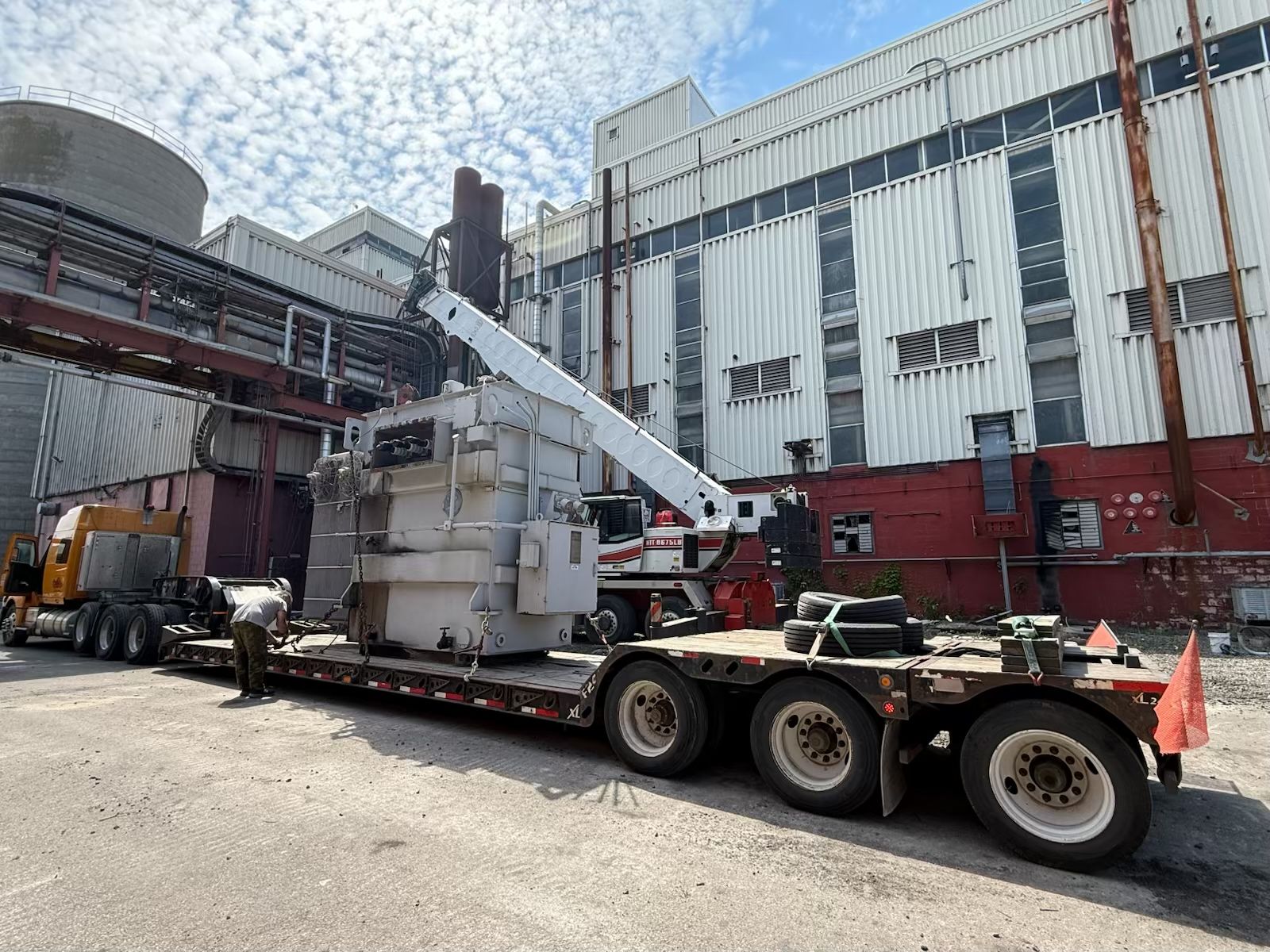
In Brooklyn Center, provide the known equipment location and describe access from that point to a loading area, including any shared-room or occupied-tenant restrictions. Approximate weight and dimensions, door clearances, and loading limitations are useful if known. A move requires an appropriate plan and suitable lift points; handling must avoid placing forks or slings against the resin coils.
Local access in Brooklyn Center
Brooklyn Center commercial properties can have electrical equipment installed in shared utility rooms or on exterior pads. A change of use may leave an owner with equipment to evaluate for purchase.
Locate the actual loading point and confirm that the path does not cross an occupied tenant's secure area.
About cast-resin transformers
Cast-resin transformers are a dry-type design with windings encapsulated in resin and are used in applications where a liquid-filled unit may not be preferred. A buyer looks at voltage, kVA, cooling provisions, enclosure or fan accessories, and the visible condition of the encapsulated windings. Cracks, impact damage, contamination, and incomplete accessories can affect further evaluation.
Supply nameplate and coil photographs, noting visible resin cracks, damaged supports, fan equipment, and available service records.
Following isolation and verification by qualified personnel, lift at designated structural points and prevent slings or forks from bearing on the resin coils.